The American Center for Justice (ACJ) condemned policies that deprive hundreds of thousands of children in Yemen of healthcare and immunization, rejecting the use of vaccines and medical supplies as instruments of political pressure or collective punishment in the context of the armed conflict.
The Center stated that Yemen’s health crisis is worsening as a result of decisions that prevent comprehensive door-to-door vaccination campaigns, particularly in densely populated governorates under the control of the Houthi group. According to the Center, these policies, together with disinformation campaigns targeting vaccines, have left approximately 600,000 children without immunization. This figure represents 35 percent of all children who have not received vaccinations across the Middle East and North Africa region, while vaccination coverage for polio, measles, and diphtheria has fallen below 50 percent.
The statement noted that more than 80 percent of children infected with measles had not received a single vaccine dose, while Yemen reportedly loses more than 100 children every day to preventable diseases. The Center warned that the situation could amount to a long-term process of destruction.
The Center stated that this deprivation is incompatible with international humanitarian law and international criminal law. It cited Article 54 of Additional Protocol I and Article 14 of Additional Protocol II, which prohibit the starvation of civilians and the deprivation of objects indispensable to their survival. The Center also referred to the obligations set out in Article 12 of the International Covenant on Economic, Social and Cultural Rights and Article 24 of the Convention on the Rights of the Child.
The Center stressed that the deliberate obstruction of access to medical supplies may constitute a war crime and may give rise to individual criminal responsibility under Article 8 of the Rome Statute of the International Criminal Court. It further stated that such conduct may amount to crimes against humanity where it is intended to subject populations to living conditions calculated to bring about the destruction of part of the population.
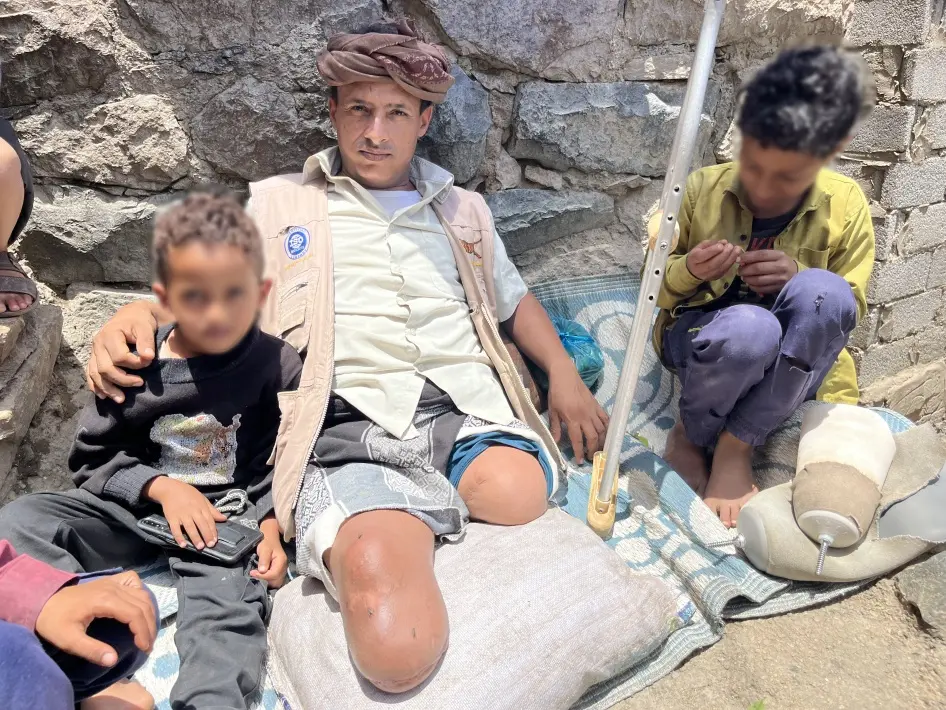
The statement also highlighted the economic and demographic consequences of the crisis. The resurgence of epidemics such as polio may result in permanent disabilities that exclude thousands of people from the future workforce, push families into poverty, and force them to liquidate productive assets to meet emergency medical costs. According to the Center, these consequences erode human capital and divert limited resources toward emergency responses to human-made crises.
The American Center for Justice called on the international community and United Nations agencies to intervene urgently to end the medical blockade, insulate the health sector from political and military considerations, and ensure that vaccination teams can operate without restrictions. The Center also called on international commissions of inquiry and the Office of the Prosecutor of the International Criminal Court to document these alleged violations and develop legal case files identifying the potential individual criminal responsibility of leaders implicated in restricting vaccination efforts. It further urged states exercising universal jurisdiction to initiate legal proceedings against those responsible for depriving civilians of healthcare and to ensure that they do not evade accountability.
Statement on the Deprivation of Children of Vaccines and the Spread of Epidemics in Yemen
The American Center for Justice (ACJ) unequivocally condemns the systematic policies that deprive hundreds of thousands of children in Yemen of their fundamental right to healthcare and immunization. The Center also rejects the use of vaccines and health supplies as instruments of political pressure or collective punishment in the context of the armed conflict.
Yemen’s health crisis is worsening as a result of deliberate decisions that prevent comprehensive door-to-door vaccination campaigns, particularly in densely populated governorates under the control of the Houthi group.
The number of children deprived of immunization is approaching 600,000, equivalent to 35 percent of all children who have not received vaccines across the Middle East and North Africa region. These restrictive policies are accompanied by organized disinformation campaigns aimed at undermining confidence in vaccines and have contributed to vaccination coverage for polio, measles, and diphtheria falling below 50 percent.
Available statistics indicate that more than 80 percent of children infected with measles had not received a single vaccine dose. Yemen reportedly loses more than 100 children every day to preventable diseases, making the situation akin to a long-term process of destruction.
The Center maintains that this deliberate deprivation constitutes a grave violation of international humanitarian law and international criminal law. Article 54 of Additional Protocol I and Article 14 of Additional Protocol II prohibit the starvation of civilians and the deprivation of objects indispensable to their survival.
The Center further maintains that the deliberate obstruction of medical supplies from reaching civilians constitutes a war crime giving rise to individual criminal responsibility under Article 8 of the Rome Statute of the International Criminal Court. It adds that such conduct may amount to crimes against humanity where populations are subjected to harsh living conditions intended to bring about the destruction of part of the population.
This denial violates the core obligations set out in Article 12 of the International Covenant on Economic, Social and Cultural Rights and Article 24 of the Convention on the Rights of the Child, which require all parties to protect children from disease and provide comprehensive immunization programmes.
The impact of these policies extends beyond a public health setback. It undermines the foundations of the local economy and affects the demographic structure of Yemeni society, both now and in the future. The resurgence of deadly epidemics such as polio may result in permanent disabilities that exclude thousands of people from future economic participation, increase poverty and dependency, and force families to liquidate productive assets to meet emergency medical costs.
These pressures deepen poverty, divert resources away from development projects and the improvement of essential services, erode human capital, which is the principal driver of societal recovery, and trap scarce financial resources in emergency responses to human-made crises.
The American Center for Justice (ACJ) calls on the international community and United Nations agencies to intervene immediately to end the medical blockade imposed on children in Yemen. The Center emphasizes the need to insulate health-related issues from political and military considerations and to guarantee unhindered access for vaccination teams to reach all households without restriction.
The Center calls on international commissions of inquiry and independent United Nations mechanisms to document these alleged violations and develop comprehensive legal case files identifying the potential individual criminal responsibility of leaders who issue decisions restricting vaccination campaigns or incite opposition to vaccines. The Center also urges the Office of the Prosecutor of the International Criminal Court to receive communications concerning these alleged crimes.
The Center appeals to states that apply the principle of universal jurisdiction to initiate legal proceedings and pursue those implicated in depriving Yemeni civilians of essential healthcare. It calls for measures to ensure that those responsible do not evade accountability and to protect future generations from gradual destruction.
Issued by the American Center for Justice (ACJ)
July 30, 2026